°The Curious Case of ...
< BACK
GLOBAL
Europe's Building Stock and Why Our Architectural Past Holds the Key to Our Climate Future
Summary
Europe faces a massive building problem that's hiding in plain sight. With 85% of current buildings expected to still be standing in 2050, the continent's climate goals depend entirely on renovating existing structures rather than building new ones. Yet we're doing exactly the opposite—demolishing perfectly good buildings at a 1% annual renovation rate when we need 2-3% to meet climate targets. The math is brutal: existing buildings consume 40% of EU energy and generate 36% of emissions, representing a €291 billion annual opportunity that's largely untapped because regulatory frameworks make it easier to tear down and rebuild than to upgrade what's already there.
The real tragedy is that well-intentioned environmental regulations often create the opposite of their intended effect. Complex compliance requirements for retrofitting older buildings—especially those robust 1970s and 80s concrete structures perfect for modernization—make renovation more expensive and complicated than starting fresh. Meanwhile, every demolished building wastes decades of embodied energy and generates massive landfill waste. The solution requires flipping the script: performance-based regulations that reward outcomes rather than punish creative solutions, streamlined approval processes, and economic incentives that recognize renovation's superior sustainability profile.
Table of Contents
Transformation Is The Only Constant
Critical For Investors
The Need For Change Is Acute
The Power Of Creativity
Contents
Why Our Architectural Past Holds the Key to Our Climate Future
Europe's path to carbon neutrality runs directly through its existing buildings. With approximately 85% of the EU's building stock over 20 years old, and between 85-95% of today's structures expected to remain standing in 2050, the renovation of existing buildings represents the most immediate and scalable opportunity for achieving climate targets¹.
This is not just an environmental imperative—it is an economic and social opportunity hiding in plain sight. Yet current policy frameworks and market incentives continue to favour the demolition of perfectly serviceable buildings in favour of shiny new construction. This preference for starting from scratch is not merely inefficient; it is fundamentally counterproductive to our sustainability goals.
The irony is striking. While we chase LEED certifications and net-zero new builds, we are systematically destroying the most sustainable buildings of all—the ones that already exist.
The Hidden Scale of Europe's Building Renaissance
The renovation opportunity across Europe is staggering in both its potential and its current underutilization. Current renovation rates hover at a mere 1% annually, when climate targets demand 2-3%—requiring us to double or triple our renovation activity². Meanwhile, this existing building stock consumes 40% of the EU's energy and generates 36% of its emissions³, representing a €291 billion annual opportunity waiting to be unlocked⁴.
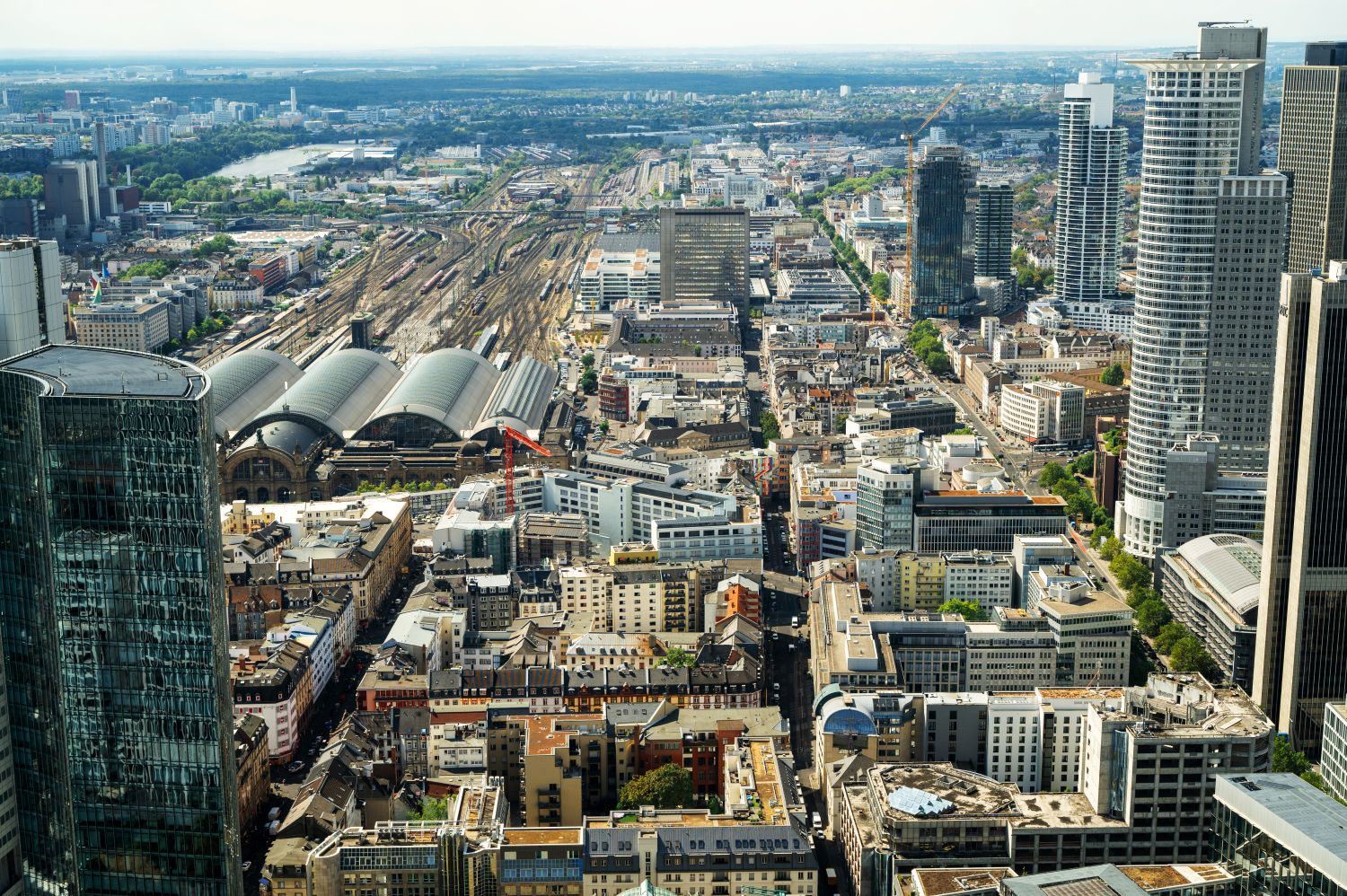
Consider Frankfurt's office market, where vacancy rates hit 10.6% in Q1 2025⁵. Landlords struggle to find tenants for older buildings while demand remains strong for modern, compliant properties. This is not a story about obsolete buildings—it is about regulatory frameworks that make it easier to demolish and rebuild than to thoughtfully upgrade what already exists.
The math is compelling: every existing building represents decades of embodied energy—the massive carbon investment required for material extraction, manufacturing, transportation, and construction. When we demolish a building, we do not just lose the structure; we waste all that embedded energy and generate enormous quantities of landfill-bound debris. Renovation preserves this embodied energy while upgrading performance to contemporary standards.
The Regulatory Paradox: When Green Rules Create Brown Outcomes
Here is where the story takes an unexpected turn. Modern building regulations, designed with laudable environmental goals, often create perverse incentives that favour demolition over renovation. This regulatory complexity trap operates through mechanisms that make renovation more challenging than new construction.

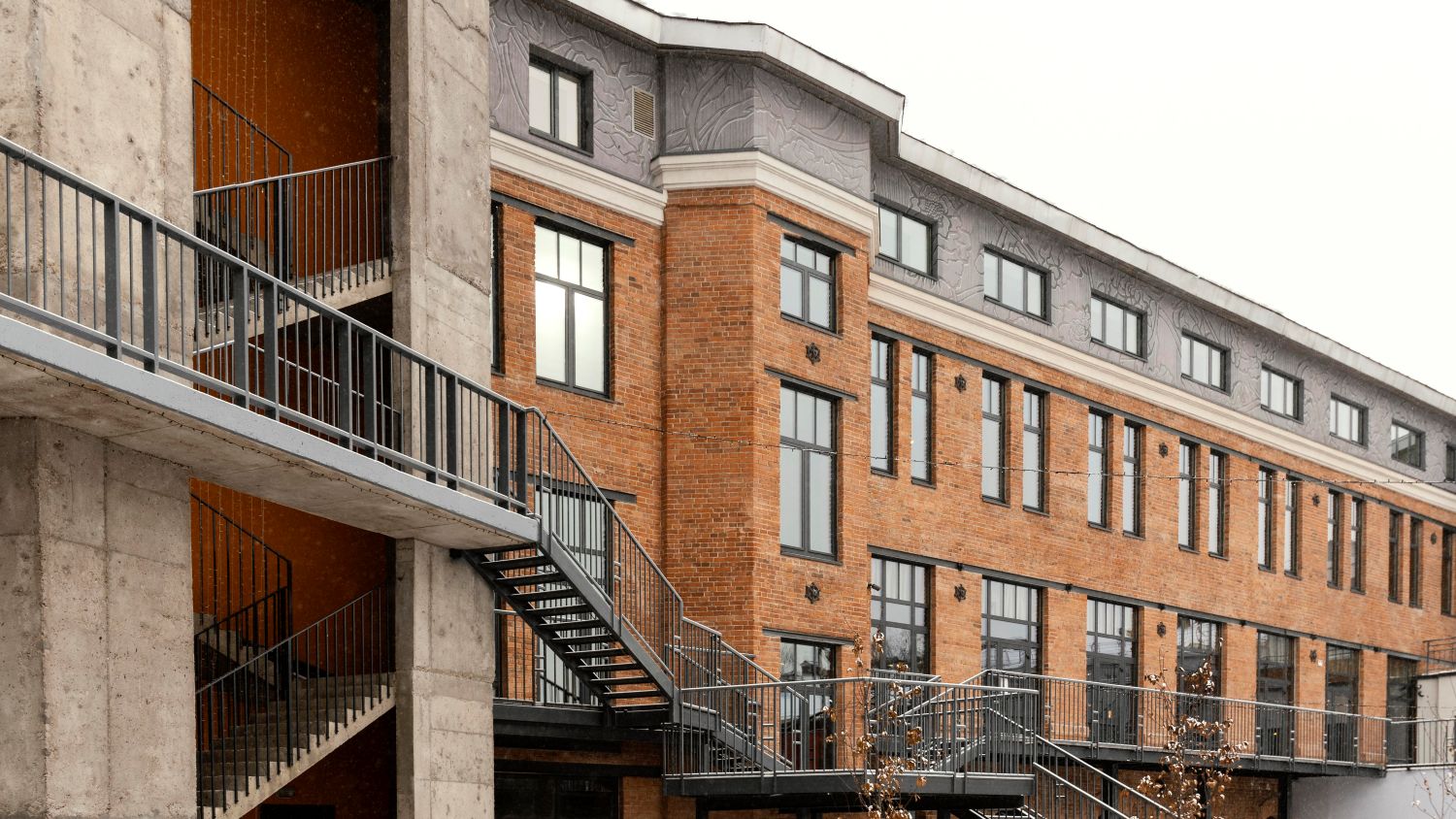
Buildings constructed in the 1970s and 80s—many featuring robust concrete or steel frames perfect for modernization—face a maze of compliance requirements originally designed for new construction. Retrofitting these structures to meet contemporary energy efficiency targets, accessibility requirements, and fire safety codes often requires modifications that compromise structural integrity or prove prohibitively expensive.
The result? Developers increasingly choose the path of least regulatory resistance: demolition and new construction. This creates a vicious cycle where environmental regulations designed to promote sustainability discourage the most sustainable option available.
Germany exemplifies this challenge, where overlapping environmental mandates have created a compliance framework so complex that construction activity has declined while existing buildings remain underutilized⁶. The amended Building Energy Act's renewable energy requirements, combined with solar panel mandates and stringent insulation standards, create a regulatory environment where starting fresh becomes more straightforward than adaptive reuse.
The Economic Case: More Than Just Numbers
The economic argument for renovation extends far beyond simple cost comparisons. Studies suggest that increasing building renovations could create between 760,000 and 1,480,000 new jobs across Europe⁷—employment that typically flows to local tradespeople, artisans, and small businesses rather than large construction corporations.
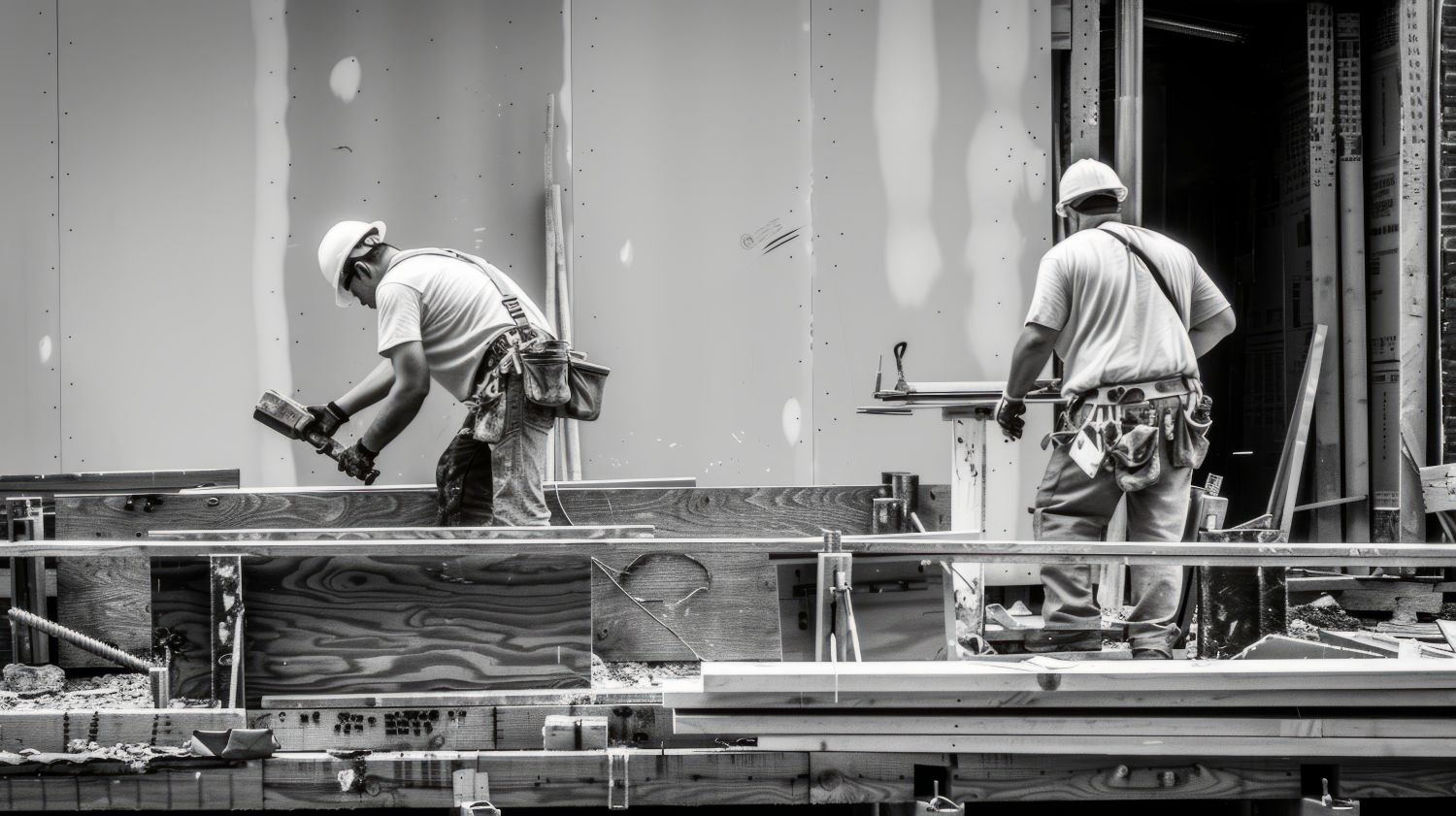
This employment pattern creates a multiplier effect within communities. When you renovate a building, you are not just upgrading a structure; you are investing in local expertise, traditional craftsmanship, and specialized skills that might otherwise disappear. An expert plasterer restoring ornate ceiling work, an engineer designing creative solutions for existing structural constraints, or a glazier installing energy-efficient windows in historic openings—these are jobs that require human expertise and local presence.
Germany's KfW funding programs demonstrate how effective policy can accelerate renovation activity, offering low-interest loans and grants covering up to 70% of eligible costs for energy-efficient upgrades and renewable heating systems⁸. Such programs do not just provide financial support; they signal governmental commitment to renovation as a climate solution.
The Cultural Dimension: Buildings as Community Memory
Beyond environmental and economic considerations lies a deeper truth: buildings are repositories of collective memory and community identity. The Art Deco apartment building on a Parisian boulevard, the Brutalist office tower in a German city centre, the converted warehouse turned mixed-use development in Amsterdam—these structures tell stories about architectural evolution, social change, and human ingenuity.
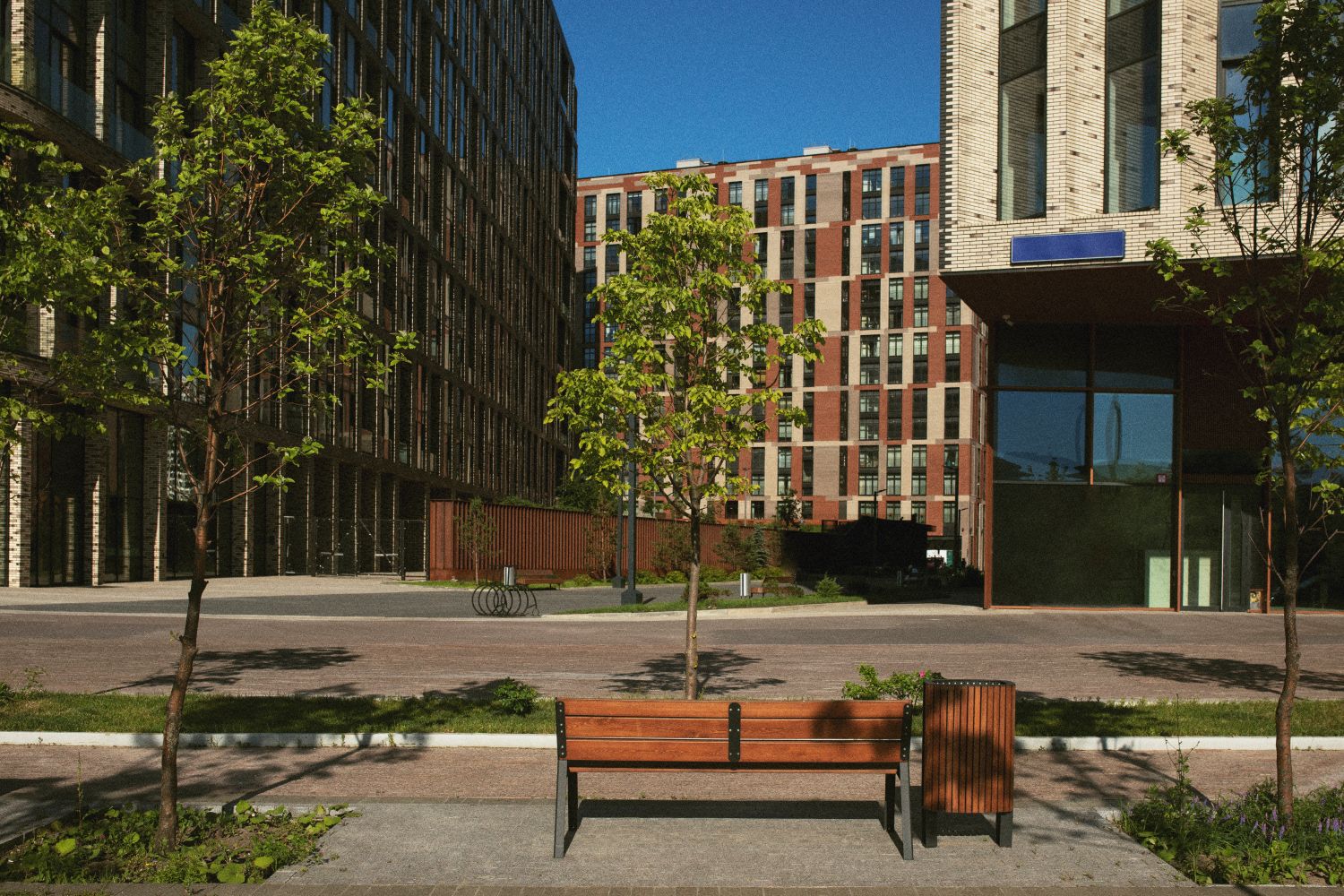
When we demolish and rebuild, we erase these narratives. When we renovate thoughtfully, we preserve cultural continuity while adapting spaces for contemporary needs. This is not mere nostalgia—it is recognition that diverse architectural environments contribute to urban vitality and resident satisfaction in measurable ways.
Successful renovation projects become catalysts for neighbourhood revitalization. They demonstrate that existing buildings can be transformed into vibrant, functional spaces that meet modern needs while preserving character. This adaptive reuse combats urban decay and creates community pride, turning potential eyesores into neighbourhood anchors.
The Path Forward: Intelligent Regulation for Renovation Renaissance
Unlocking Europe's renovation potential requires acknowledging that current regulatory frameworks, while well-intentioned, often work against their stated objectives. The solution is not abandoning environmental standards but adapting them to facilitate rather than hinder renovation.
This transformation requires three coordinated reforms:
Performance-based compliance standards that focus on outcomes rather than prescriptive requirements, allowing creative solutions for existing buildings
Streamlined approval processes that recognize renovation's environmental benefits and provide expedited permitting
Economic incentive realignment through tax policies, financing mechanisms, and development incentives that reflect renovation's superior sustainability profile
Equally important is modernizing local planning processes to facilitate mixed-use neighbourhood development. Traditional zoning laws that separate residential, commercial, and office functions are fundamentally incompatible with sustainability goals. Mixed-use developments reduce transportation needs, promote walkability, and create vibrant communities while making building renovation economically viable.
Looking Forward: The Renovation Imperative
The renovation opportunity before Europe represents more than an environmental necessity—it is a chance to demonstrate that sustainability and economic vitality are not competing interests but complementary objectives. By embracing renovation as a climate solution, we can simultaneously address housing shortages, reduce carbon emissions, create meaningful employment, and preserve community character.
The most sustainable building is often the one that already exists. The question is not whether renovation makes environmental and economic sense—the evidence is overwhelming. The question is whether our regulatory frameworks will evolve quickly enough to unlock this potential before more valuable building stock is needlessly destroyed.
Success requires recognizing that the fastest path to a sustainable building stock runs through strategic renovation of existing structures, not their wholesale replacement. This means balancing ambitious environmental goals with practical market realities, ensuring that green policies accelerate rather than hinder green outcomes.
The time for renovation is now, but realizing this opportunity requires the political will to reform systems that currently favour demolition over the more sustainable path of adaptive reuse. Europe's climate goals depend on getting this balance right.
Sources
European Commission, "A Renovation Wave for Europe," (October 2020) - https://energy.ec.europa.eu/system/files/2020-10/eu_renovation_wave_strategy_0.pdf
Oxford Economics, "Timing of decarbonising the building stock through renovations," (July 2023) - https://www.oxfordeconomics.com/resource/renovation-wave-is-coming-in-europe-but-not-here-yet-2/
European Commission, "A Renovation Wave for Europe," (October 2020) - https://energy.ec.europa.eu/system/files/2020-10/eu_renovation_wave_strategy_0.pdf
Allianz.com, "The great green renovation: the buildings sector transition," (June 2022) - https://www.allianz.com/en/economic_research/insights/publications/specials_fmo/buildings-sector-transition.html
CBRE Germany, "Frankfurt Office Market Q1 2025," (April 2025) - https://www.cbre.de/en-gb/insights/figures/frankfurt-office-market-q1-2025
JLL Germany, "Frankfurt Office Market Dynamics, Q1 2025," (April 2025) - https://www.jll.de/content/dam/jll-com/documents/pdf/research/emea/germany/en/jll-frankfurt-office-market-dynamics-q1-2025.pdf
CAN Europe, "Decrepit Europe or Renovated Europe?," (April 2021) - https://caneurope.org/decrepit-renovated-buildings-europe/
Bundesministerium für Wirtschaft und Klimaschutz (BMWK), "New funding scheme for climate-friendly heating systems," (January 2024) - https://www.bmwk-energiewende.de/EWD/Redaktion/EN/Newsletter/2024/01/Meldung/topthema.html
KEY POINTS
Renovation
Buildings already exist
Regulations
Green rules backfire
Economics
Million jobs waiting
Preservation
Sustainable plus cultural