°Vertical Limits
< BACK
GLOBAL
Why True Mixed-Use Buildings Hold the Key to Urban Prosperity
Summary
Europe's urban future depends on authentic mixed-use buildings where multiple functions each occupy at least 20% of floor space, creating thriving vertical communities rather than superficial developments with token ground-floor retail. Singapore's pioneering "vertical cities" like Guoco Tower demonstrate how true integration generates superior financial returns through diversified revenue streams, creates 24-hour districts that enhance safety and vibrancy, and fosters innovation through cross-pollination between residents, businesses, and visitors.
Despite clear advantages—including revenue resilience, reduced market dependency, and enhanced urban vitality—regulatory frameworks and financing mechanisms remain designed for single-purpose buildings, creating barriers to integrated development. The article examines real-world examples from Singapore to New York's Hudson Yards, explores how companies like Kerten Hospitality are pioneering integrated concepts, and argues that unlocking the potential of multi-functional properties requires regulatory reform, financial innovation, and design excellence that treats integration as fundamental rather than optional.
Contents:
Introduction
The Integration Imperative: Lessons from Singapore's Vertical Cities
The Economic Reality: Revenue Resilience Through Functional Diversity
The Urban Fabric: Creating 24-Hour Districts
The Innovation Driver: Cross-Pollination in Vertical Communities
Cross-Continental Perspectives: Mixed-Use Development in Practice
Developers and Operators Pioneering True Mixed-Use Concepts
The Policy Challenge: Enabling Integration Through Regulatory Reform
Looking Forward: The Path to Integrated Urban Development
Conclusion
Contents
Introuction
Europe's urban future lies not in the superficial mixed-use developments that pepper contemporary skylines, but in the authentic vertical integration that transforms single constructions into thriving microcosms of city life. While developers routinely attach the "mixed-use" label to projects featuring token ground-floor retail beneath dominant single functions, genuine multi-functional properties—where four or five distinct uses each command at least 20% of total floor area—represent a fundamentally different paradigm. These coordinated constructions, exemplified by Singapore's pioneering "vertical cities," cultivate the dynamic ecosystems that modern urban centres desperately need.
Between 2010 and 2020, multi-functional developments represented 50 percent of new commercial and multi-family construction delivered¹. Yet most fail to achieve true integration, instead producing fragmented towers that compartmentalize rather than connect their various uses.
The Integration Imperative: Lessons from Singapore's Vertical Cities
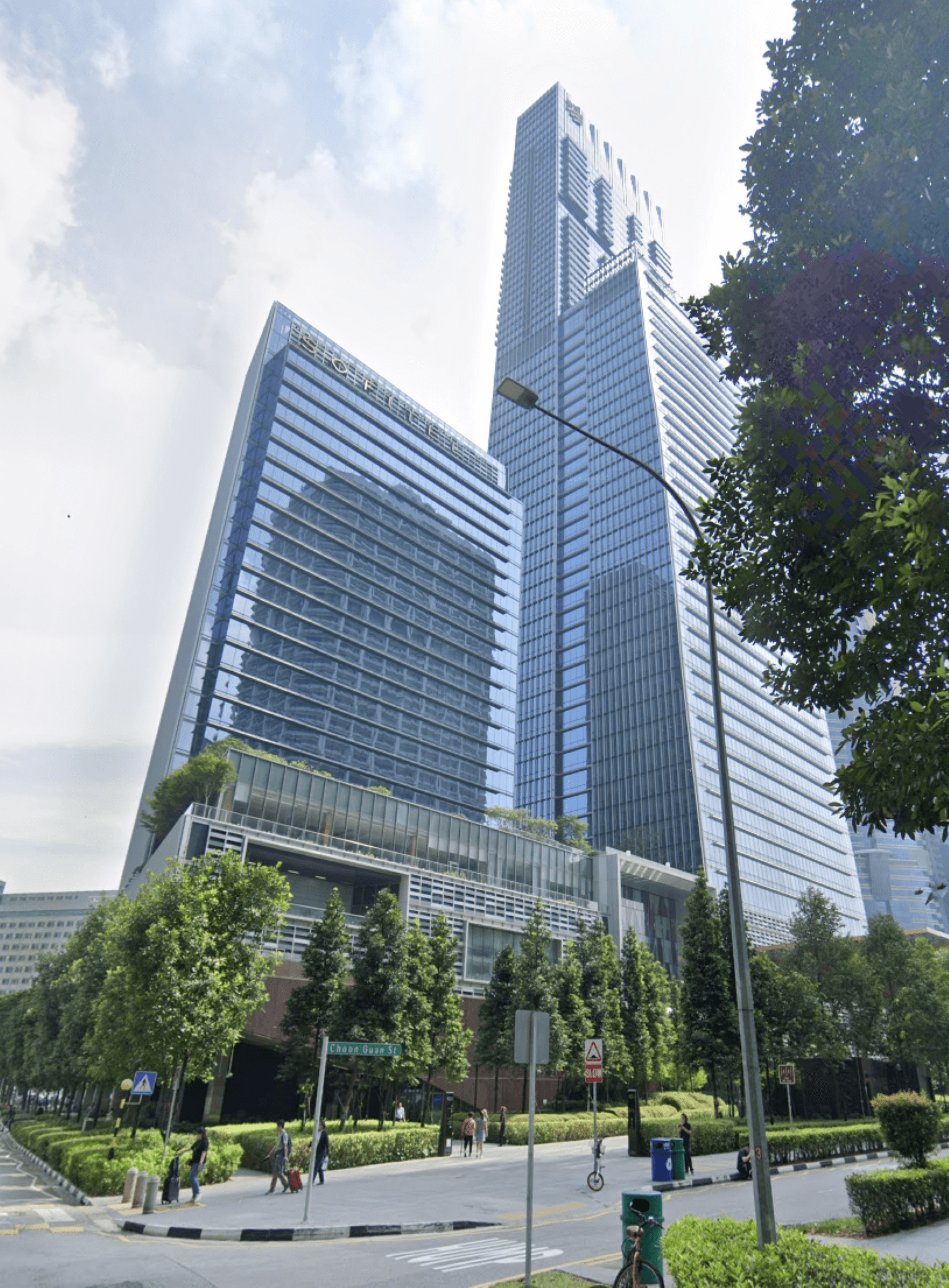
Guoco Tower
Singapore's approach to multi-functional development provides compelling evidence of what becomes possible when integration is treated as a design priority. Rising above Tanjong Pagar MRT station, Guoco Tower demonstrates how substantial space allocation to each function creates unprecedented synergies within a single 290-meter structure comprising commercial, residential, retail, hotel, and urban park components².
DUO
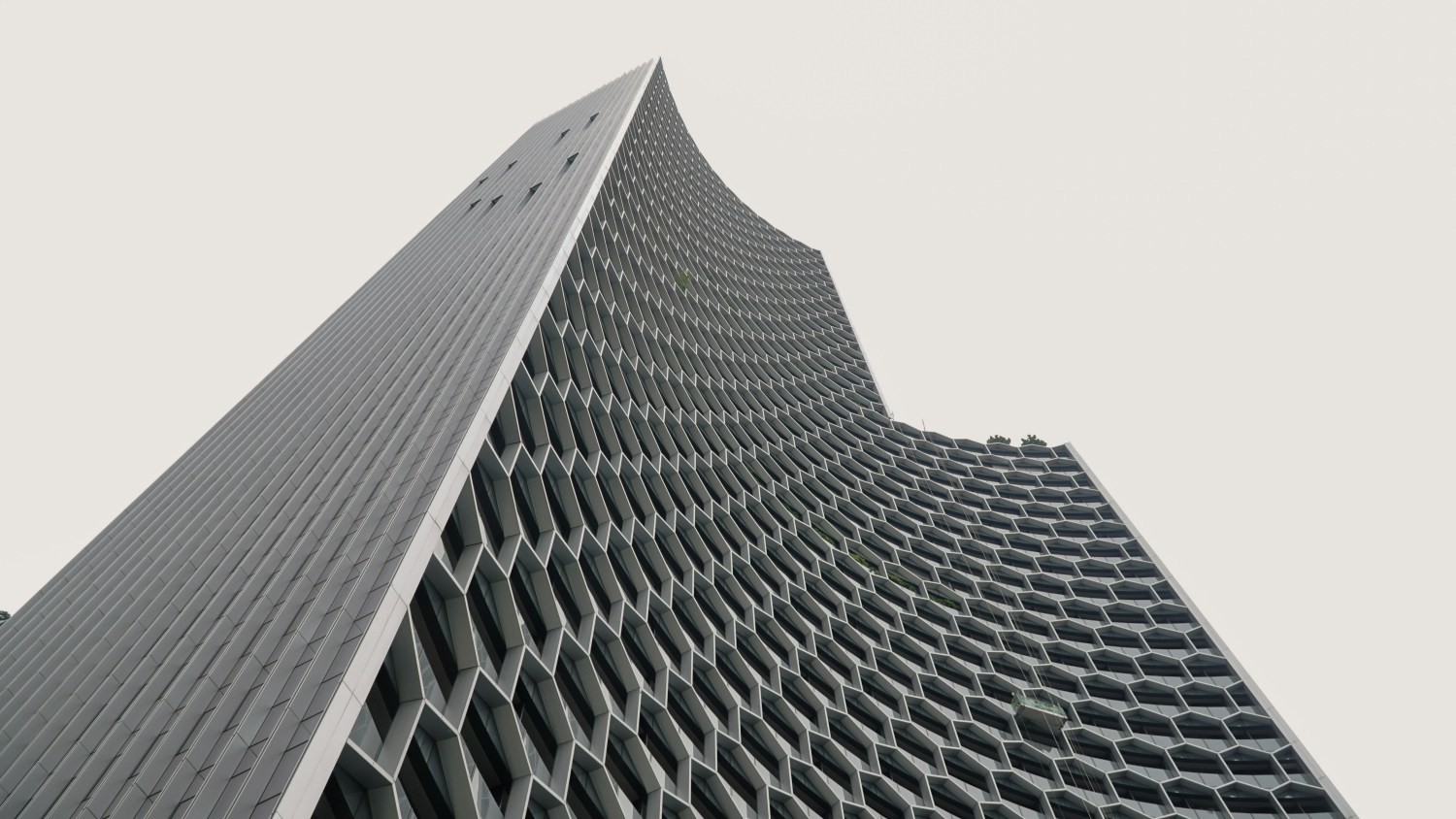
Duo, in Singapore, also represents sophisticated integration through Ole Scheeren's twin-tower design: the 186-meter residential tower housing 660 apartments alongside a 170-meter commercial tower containing offices and the Andaz hotel, connected by landscaped pathways³.
These developments demonstrate that the value created by strategic, multifunctional design exceeds that of each of its components.
The Economic Reality: Revenue Resilience Through Functional Diversity
The financial advantages of true multi-functional properties extend far beyond simple diversification. These constructions create self-sustaining economies through internal cross-subsidization while reducing dependency on external market fluctuations. Multi-functional assets produce superior returns through diversified tax bases, becoming high-performing investments where developers distribute risks across complementary revenue streams⁴.
Internal market dynamics create natural demand stabilization; residential tenants provide reliable patronage for retail components, while office workers generate weekday traffic, complementing evening residential activity. Hotel guests contribute commercial revenue while accessing integrated business amenities.
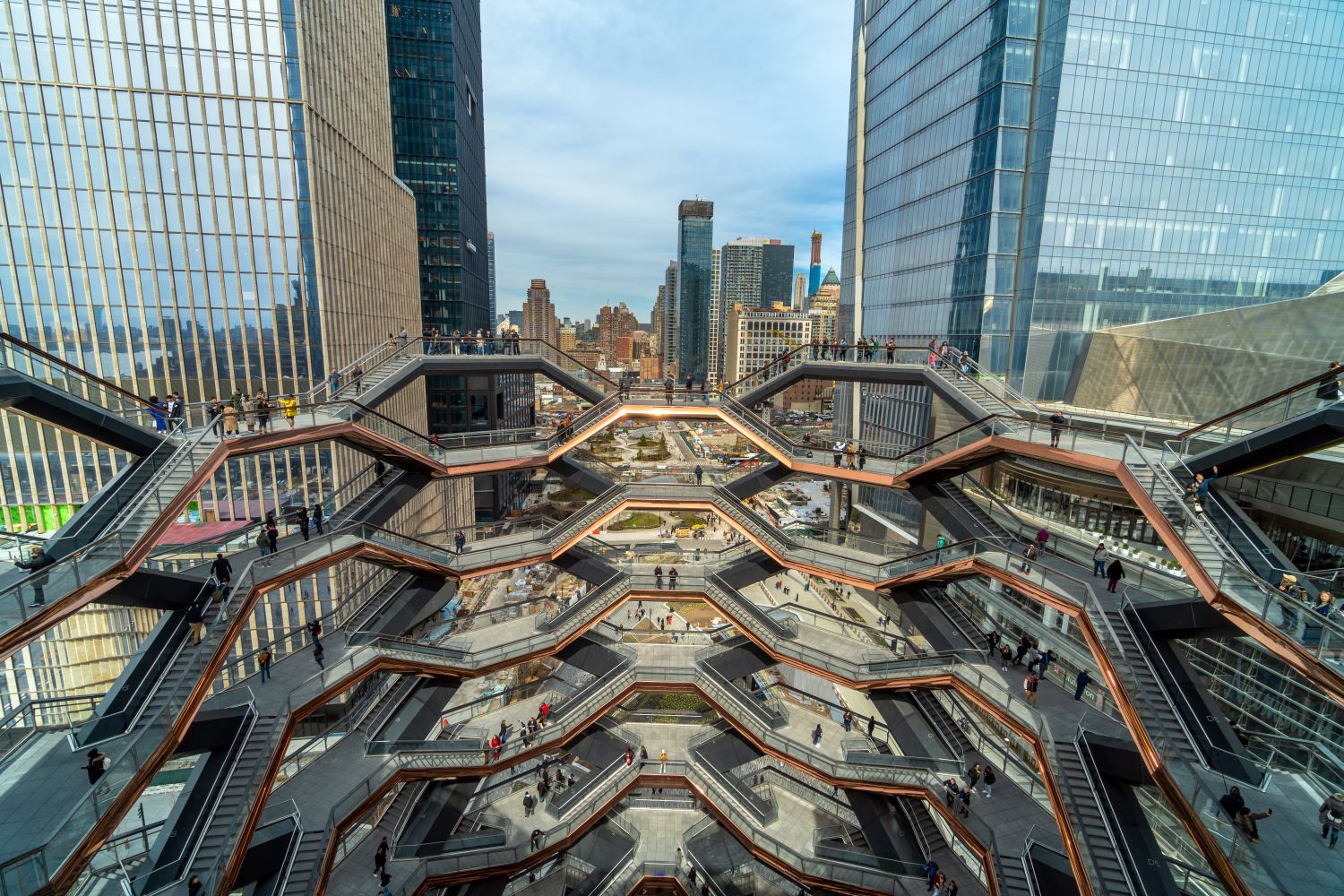
Hudson Yards, in New York City, exemplifies this economic potential: developers report the project will contribute $19 billion to New York City's GDP, generating over $500 million in tax revenue, and hosting 55,720 workers regularly⁵. These figures illustrate the multiplier effects that can occur when multi-functional integration reaches critical mass.
The Urban Fabric: Creating 24-Hour Districts
True multi-functional properties transform broader neighbourhood models by maintaining continuous activity cycles that enhance safety, vibrancy, and commercial vitality. Unlike single-use constructions that create temporal dead zones, these developments ensure consistent human presence throughout daily cycles. This addresses the contemporary urban planning's persistent challenge of creating areas that remain vital outside traditional business hours.
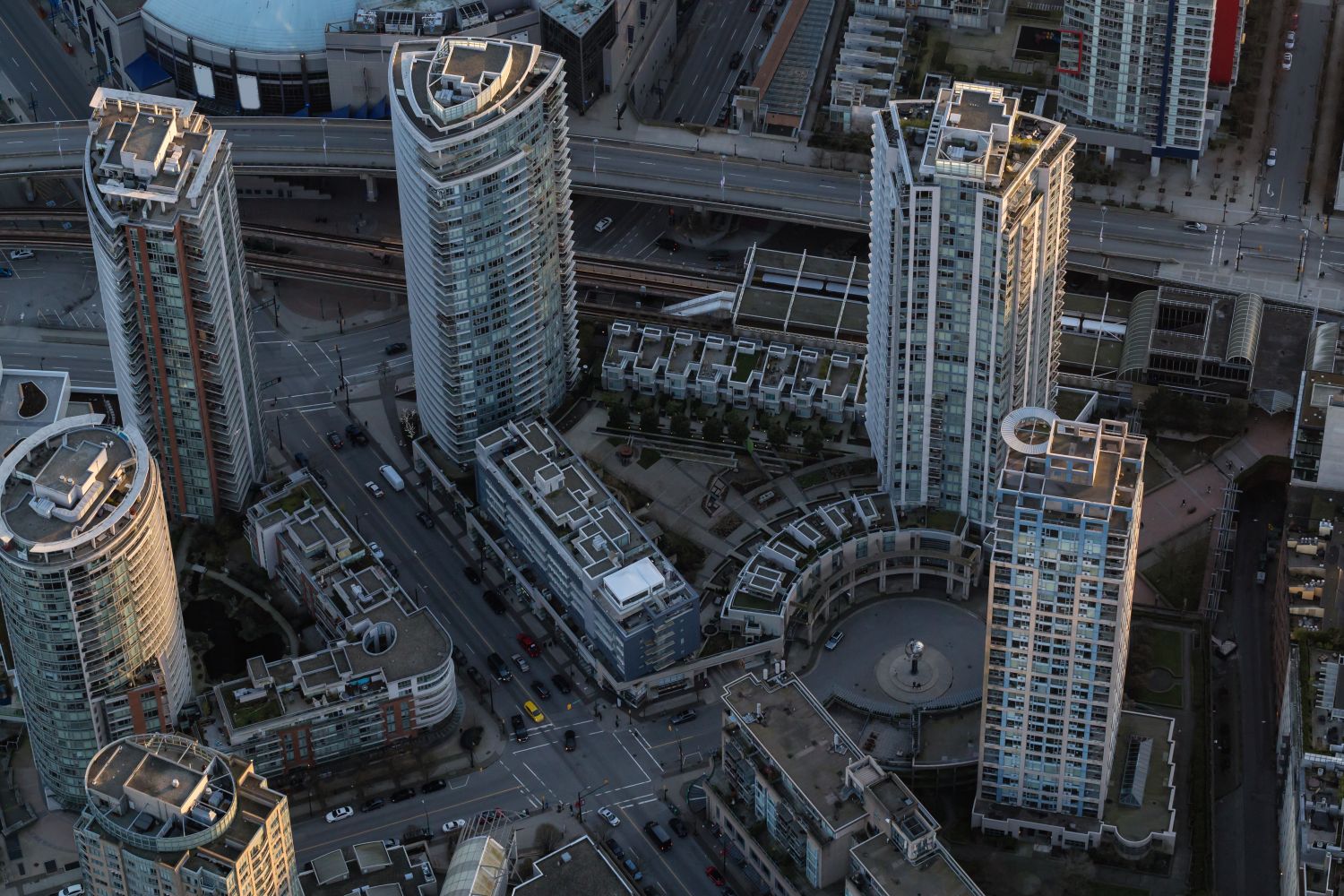
When multiple coordinated properties operate nearby, their combined activity generates the pedestrian flows and street-level energy that characterize successful urban environments. This creates neighbourhoods that remain alive and secure throughout the day.
The Innovation Driver: Cross-Pollination in Vertical Communities
Multi-functional constructions foster unexpected connections and collaborations by bringing diverse businesses, residents, and visitors together in shared spaces. These interactions spark innovations, partnerships, and opportunities impossible in segregated environments.

Professional service providers benefit from proximity to potential clients, while residents have access to services without cross-city travel. Office tenants discover collaboration opportunities within the same property. This cross-pollination becomes particularly valuable in knowledge-intensive industries where innovation depends on diverse perspectives and serendipitous encounters.
Continuous activity levels support the provision of premium services, which is often economically unfeasible in single-purpose constructions. Concierge services, security, and management can operate continuously while serving multiple user groups, creating enhanced value propositions. Energy consumption benefits from load balancing—office peak demand during business hours complements residential evening peaks, reducing overall requirements when combined with shared mechanical systems.
Cross-Continental Perspectives: Mixed-Use Development in Practice

At northzero°, we are currently crafting two multi-functional concepts illuminating the universal appeal of integrated development despite contrasting regulatory environments. Our projects—one in Germany and one in Colombia—operate within different real estate ecosystems yet pursue identical objectives: achieve asset resiliency, revitalize local communities, and create multiple destinations within single properties.
The German project navigates complex regulatory frameworks, emphasizing environmental compliance and energy efficiency, while the Colombian development operates within more flexible but infrastructure-constrained conditions. Despite their contrasting contexts, both projects demonstrate that, when executed properly, strategic, multifunctional integration can transcend local market conditions. The challenge lies in adapting implementation strategies to diverse regulatory and cultural landscapes rather than questioning the concept's viability.
Developers and Operators Pioneering True Mixed-Use Concepts
Hospitality companies are also actively pioneering the implementation of true mixed-use concepts, embodying the principles of integrated urban development.
Companies like Kerten Hospitality are deeply committed to this vision, defining their strategy as a "Mixed-Use" value proposition aimed at creating vibrant lifestyle destinations. They partner with owners to plan the most commercially savvy combination of hospitality components, including hotels, branded residences, serviced apartments, workspaces, and diverse food and beverage concepts. They brand and operate these elements, ensuring profitable return on investment and enhancing sustainability, efficiency, experience, and wellness.
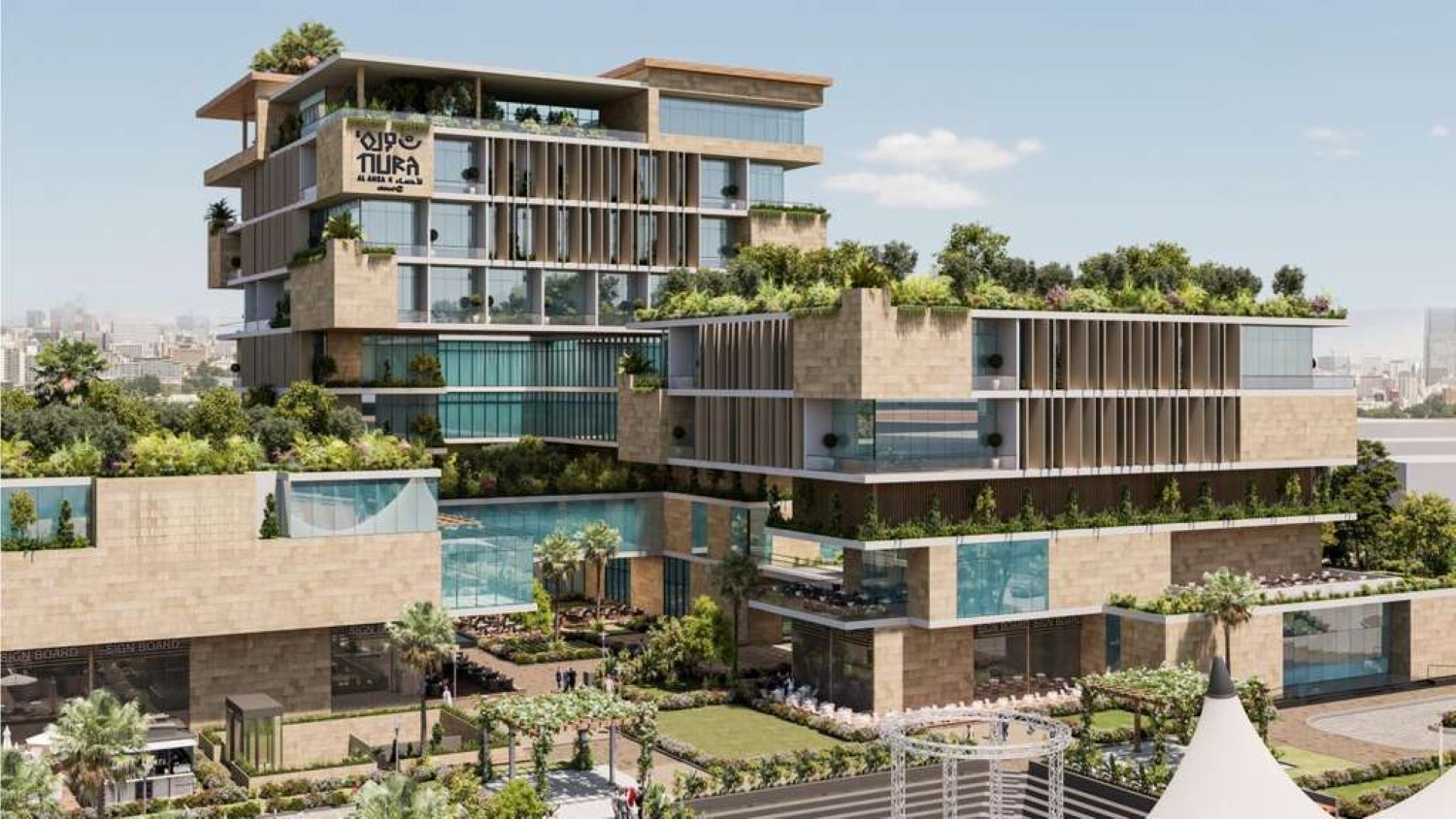
Image by Kerten Hospitality
This approach is rooted in a human-centric destination build, with curated spaces that function as promoters for new ecosystems and foster connections within local communities, moving beyond simple bricks and mortar to create genuine value and experiences. A prime example of this integrated strategy is the upcoming Cloud 7 Hotel Al Ahsa in Saudi Arabia, which is designed to seamlessly blend modern comfort with traditional community engagement by incorporating 'Ouspace' for business and a 'Food Souk' as a culinary destination, while integrating local culture, artistic, and design elements.
Kerten Hospitality's CEO, Marloes Knippenberg, has been instrumental in driving this concept, recognizing that hotels must evolve beyond outdated standards to maximize space and create environments that are truly liveable, workable, and visitable. She emphasizes the necessity for properties to adjust to shifts in demand and generate additional revenue streams, making the mixed-use approach a key driver of Kerten's brands and overall success.
This strategic approach aligns with the understanding that successful multi-functional properties create self-sustaining economies, reduce dependency on market fluctuations and yield superior returns through diversified risk profiles.
The Policy Challenge: Enabling Integration Through Regulatory Reform
Despite obvious advantages, true multi-functional properties face significant regulatory and financing obstacles, favouring conventional single-purpose development. Zoning codes, construction regulations, and financing mechanisms designed for functional segregation often struggle to accommodate the complexity of integration.
Current frameworks treat multi-functional properties as combinations of separate single-purpose constructions rather than integrated wholes, creating compliance complexities that increase costs and extend development timelines. Traditional financing models calibrated for single-purpose assets with predictable risk profiles often result in higher costs or reduced lending availability for multi-functional projects.
Looking Forward: The Path to Integrated Urban Development
Europe's urban future depends on embracing strategic multi-functional development as a fundamental planning principle rather than a niche market segment. This requires acknowledging that current regulatory and financing frameworks are inadequate for the integrated development models that contemporary cities require.
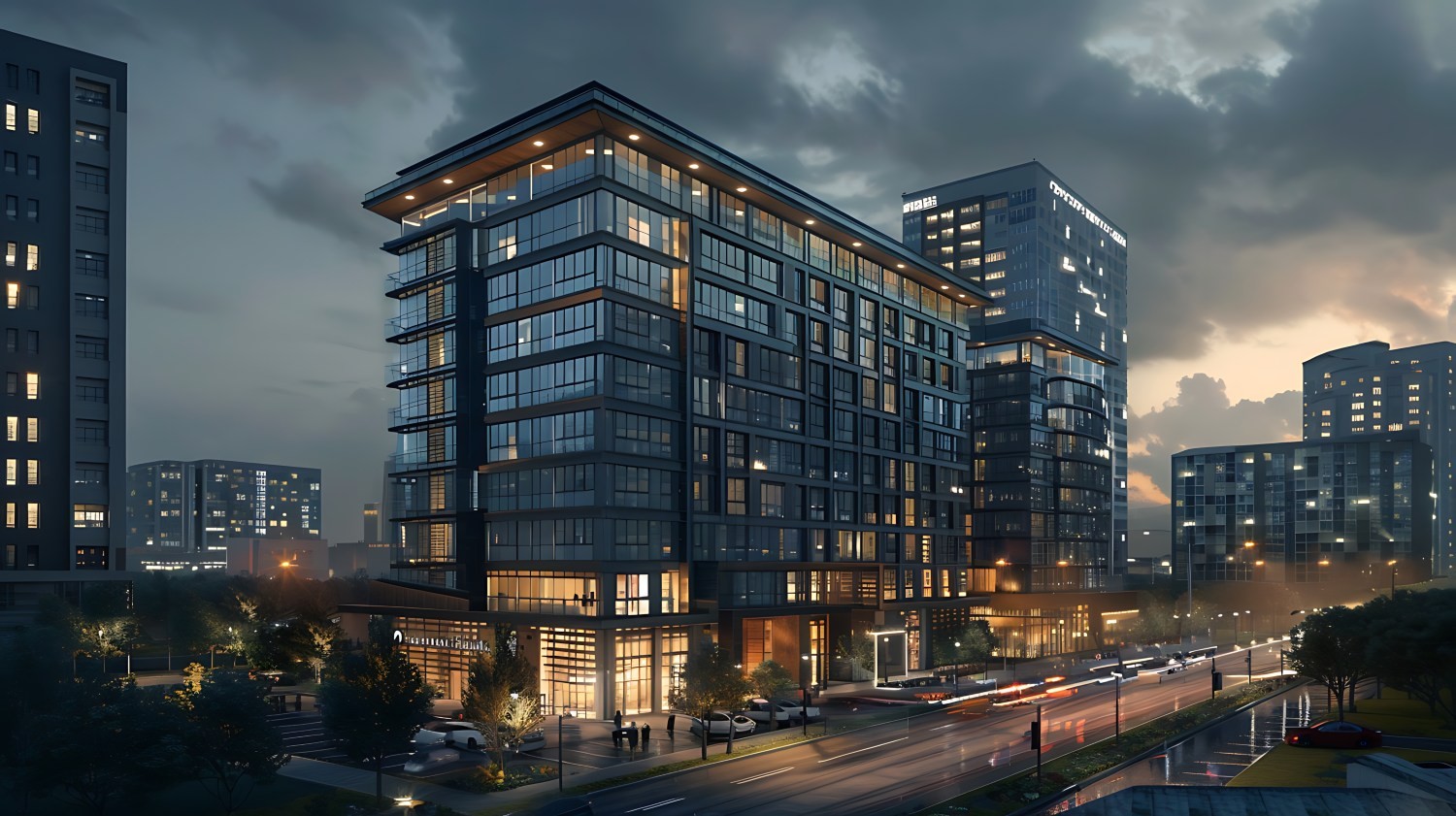
Success demands three critical elements: regulatory evolution to facilitate multi-functional integration through performance-based standards and streamlined approvals; financial innovation to develop sophisticated lending and investment mechanisms; and design excellence to establish integration as more than vertically stacking functions.
Evidence from Singapore's vertical cities, combined with growing market demand for integrated urban living, demonstrates that multi-functional development represents an essential component of sustainable urban growth. The question is not whether these properties represent the future, but whether existing systems will evolve quickly enough to unlock their potential.
Strategic multi-functional properties create value through purposeful integration. By fostering environments where people can live, work, and thrive within walking distance of everything they need, these constructions do not just house urban life—they orchestrate it.
Footnotes:
¹ Northspyre, "Why Mixed-Use Developments Are the Future of Urban Living" (2025)
² Arup Engineering Consultancy, Guoco Tower Project Documentation
³ Dezeen Architecture Magazine, "Honeycomb-patterned towers by Büro Ole Scheeren frame gardens" (March 2018)
⁴ S3DA Design, "The Advantages and Disadvantages of Mixed-Use Development" (2022)
⁵ Northspyre, "Why Mixed-Use Developments Are the Future of Urban Living" (2025)
AI support & stock images: NotebookLM, Claude, Freepik, Unsplash
KEY POINTS
MIXED-USE
More than combining uses
IMPACT
Revenue resilience
EFFECT
Urban reactivation
FUTURE
Integrated urban developments